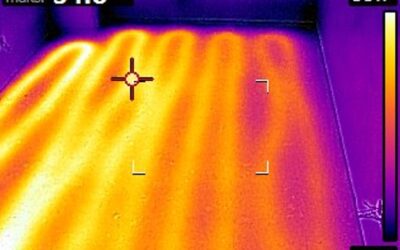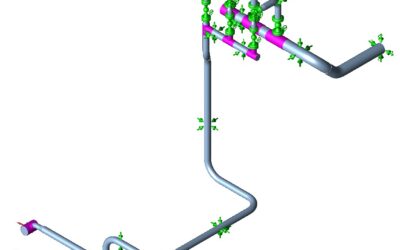
The phrase "Liberal Stress" is not found in either PED or EN 13480-3, same like in ASME. This is the name of an approach only to piping analysis. The basic one, as you might guess, is conservative, while the second one is liberal. Below is an example from real life of the "collision" of these two approaches on one design. The case concerns a gas pipeline with a working pressure of 15 barg, which is to be run on a piperack.
The photo below from the inventory shows a correctly made U-shaped compensator on the existing gas system, which will be adjacent to the designed ones. Estimating the proportions from the photo, the bend radius is about 10D. This is fully consistent with good engineering practice in this area. Such large bend radius result from cleaning the pipeline with steam (about twice a year) at 6 bar and an average temperature of 170C.0C.
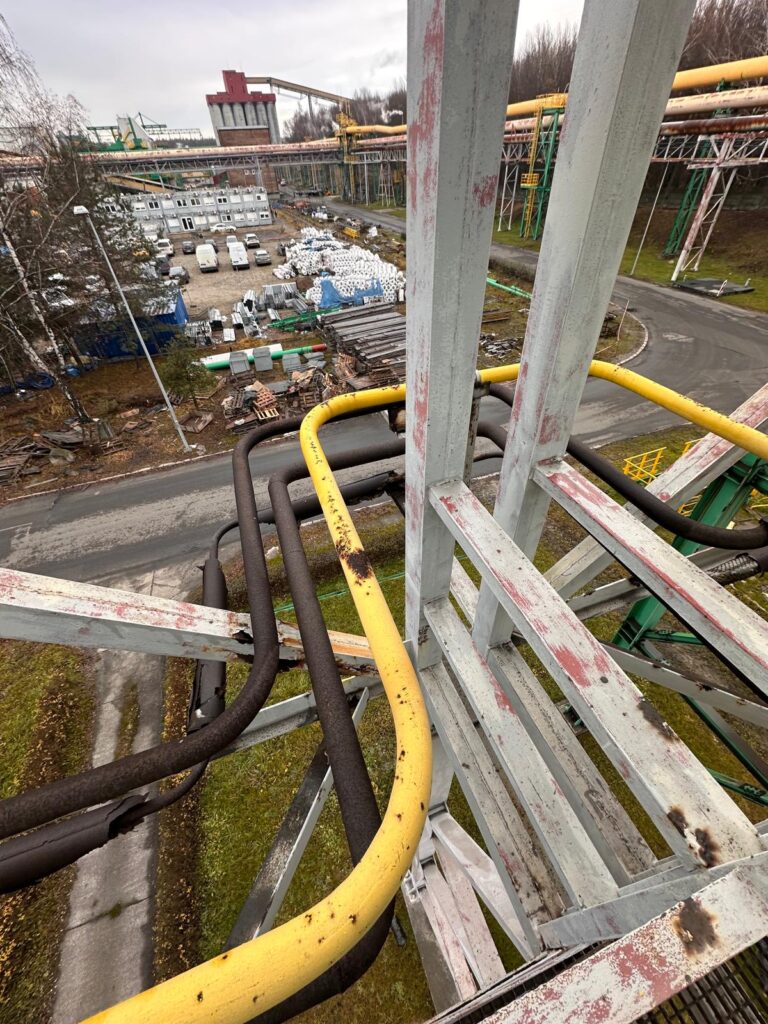
The designer designed a short bend with a 3D radius. In order to decide whether it is possible to use the already purchased DN 80 bends with a radius of R = 114 mm, an analysis of the entire 700 m long gas pipeline was performed based on a beautifully made inventory of its future route.
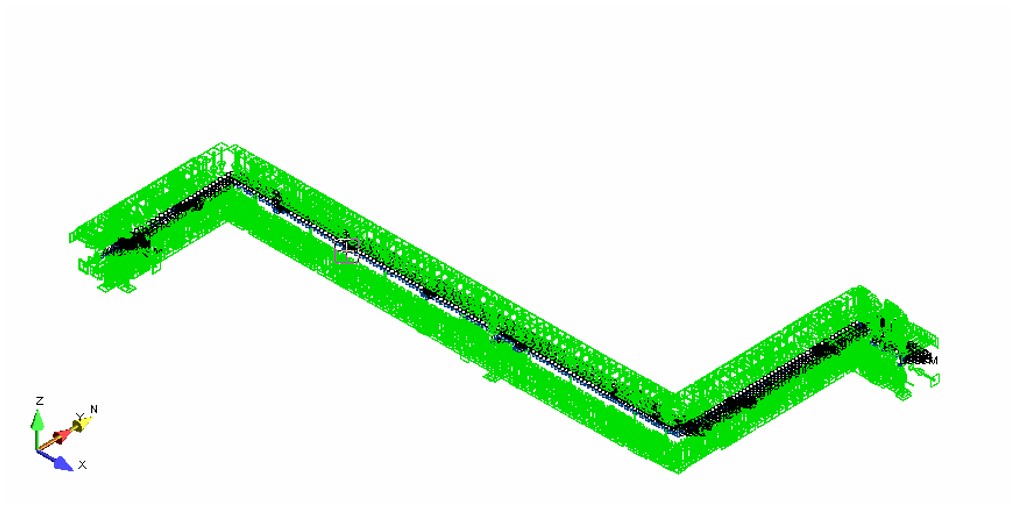
According to the provisions of chapter 12 of the PN EN 13480 – 3 standard, there are two possible approaches to the analysis of stress resulting from thermal displacement: conservative and liberal. The first one is to use equation 12.3.4 – 1 to determine the design stress for the temperature load combination.
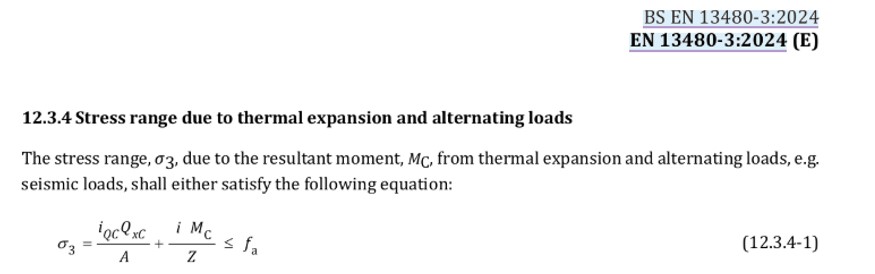
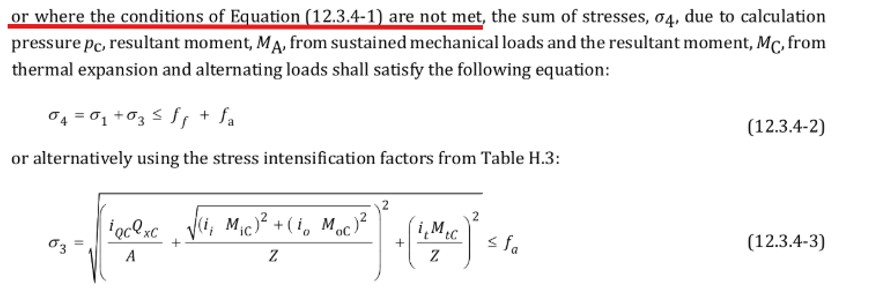
In a situation where equation 12.3.4 – 1 is not met, the standard allows the use of equation 12.3.4 – 2, which increases the design stress by about several dozen percent. To podejście popularnie nazywane jest liberal stress.
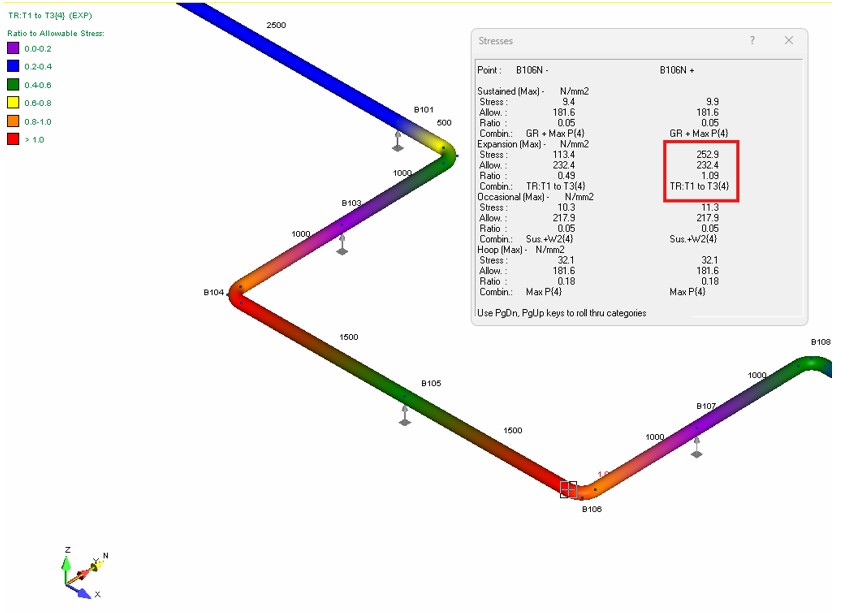
The results for the conservative approach are presented below, which show that a typical U-shaped compensator in the system is strained above the allowable stress of 232 MPa.
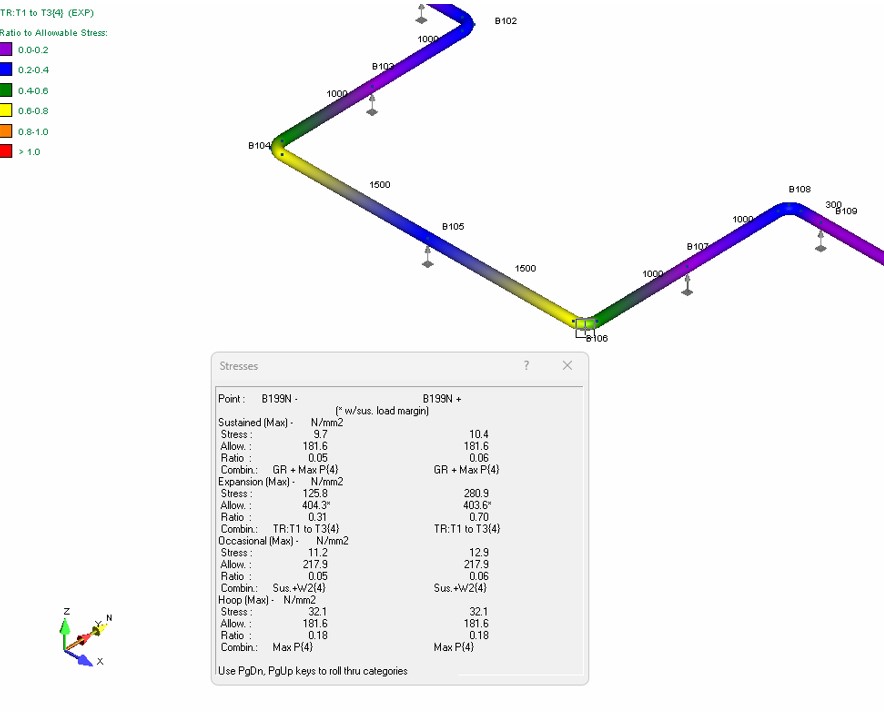
Below are the results for the liberal approach. The same U-shaped compensator works below the limit, which has been increased to 403 MPa.
The above brief analysis shows two approaches to determining the design stress for the pipeline strain-temperature conditions. Although both are acceptable for use, it is up to the designer's experience to decide whether it is worth using the liberal approach in a given case.