I have a plan to write a few posts about dynamics and see what differences in results the AutoPipe and Caesar II provide. The first section will focus on the simplest issue: natural frequency.
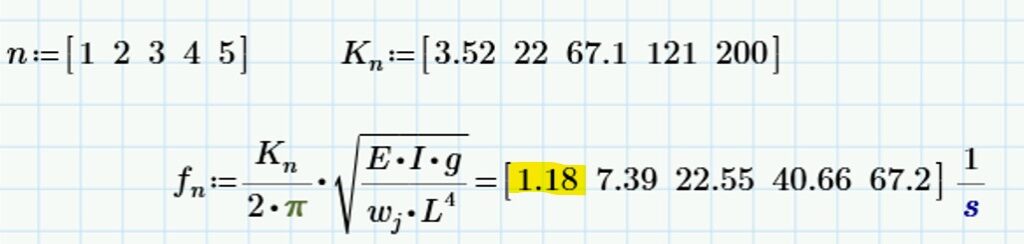
The model is identical for both programs: 10′, STD, A106B, air 0.5 MPa, +100C. Length 15m. The natural frequency for a restrained beam is described by the well-known formula given below. For deformation mode I, f = 1.18 Hz
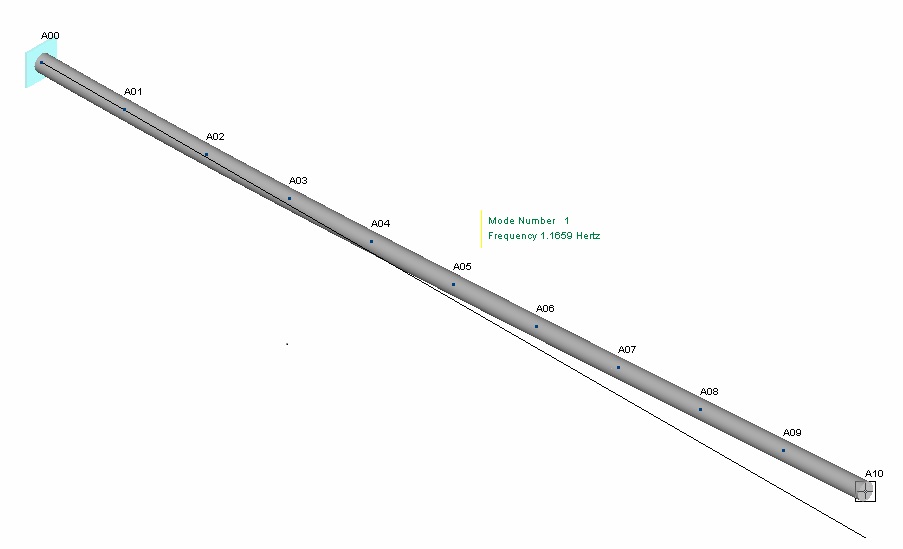
The results in AutoPipe for mode I are 1.16 Hz when dividing the pipe into 10 equal parts
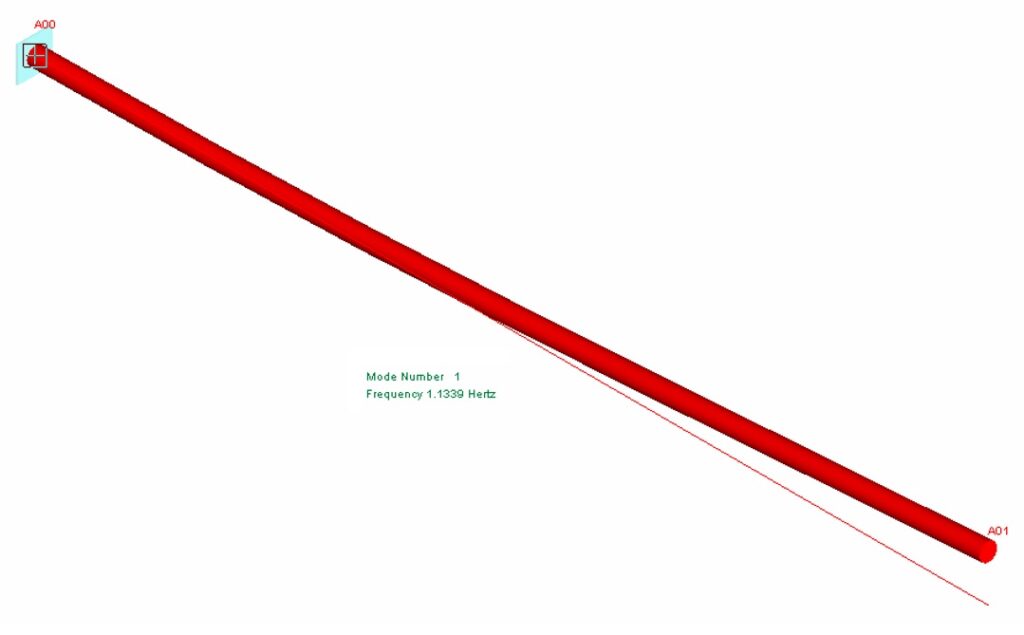
The results in AutoPipe for mode I are 1.13 Hz without division.
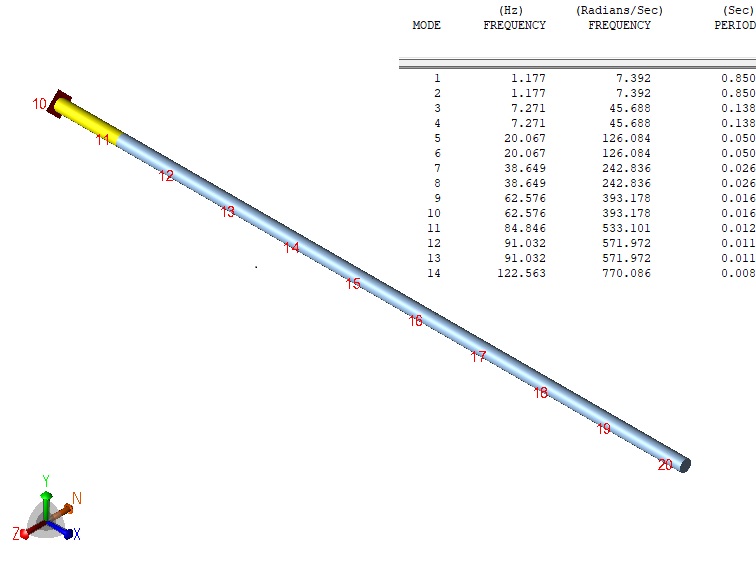
The results in CII for mode I are 1.17 Hz when dividing the tube into 10 equal parts and using a lumped mass model.
The CII results for mode I are 0.82 Hz without splitting and with a lumped mass model.
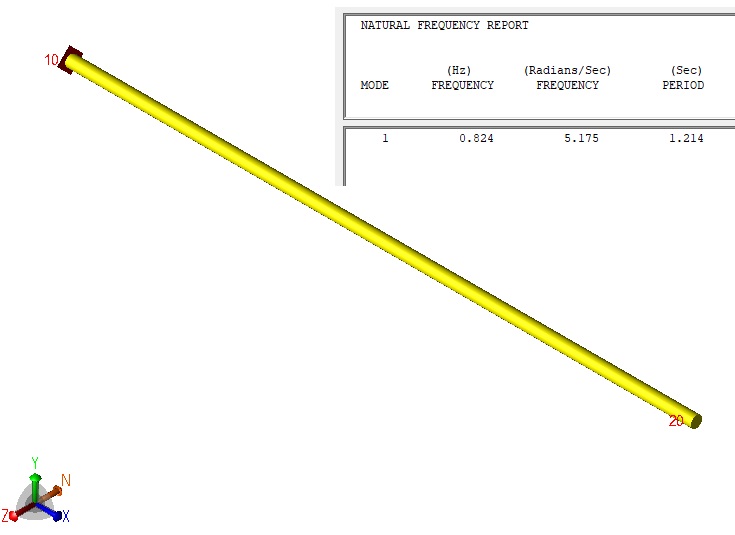
However, for the consistent mass model, the results are much better. It's true that the analysis takes longer, but for simple models, this doesn't matter.
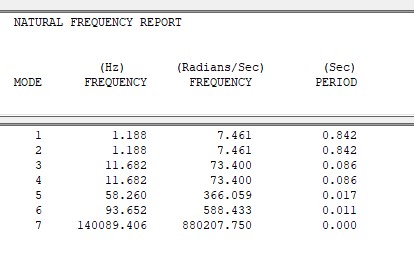
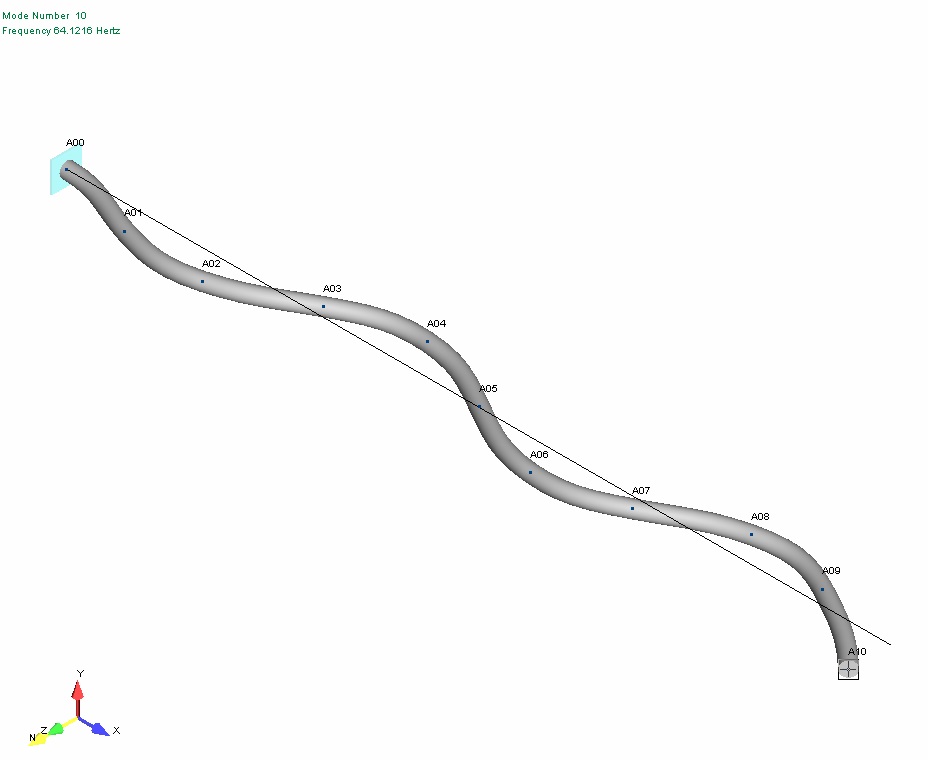
This simple comparison shows that without dividing long sections into relatively short ones, Caesar II, and using a simplified mass model (lumped), produces results that differ significantly from those described by the formula, but also from those of AutoPipe. Furthermore, AutoPipe provides a very nice figure for higher strain modes (see below), which CII does not.